Working With Iraeta on Rolled Ring Forgings: Partnership, FAQ & Long-Term Support
Working With Iraeta on Rolled Ring Forgings: Partnership, FAQ & Long-Term Support
Choosing rolled ring forgings is rarely a single transaction. For buyers at the decision stage, the real question is what a supplier will still be doing for you in year three, year five and year ten — when the drawings have not changed, but the cost of a supply break has grown. This article explains what a long-term working relationship with Iraeta Energy Equipment Co., Ltd. actually looks like, what its certification base covers, and answers the five questions that most often decide whether a partnership moves forward.
The Problem: A One-Off Purchase Decision Cannot Cover a Multi-Year Component Programme
Rolled ring forgings sit inside equipment that is expected to run for decades — wind turbine drive trains, hydropower assemblies, cement kiln tyres, and pressure equipment in oil and gas. The component is purchased once, but it is engineered, qualified and re-ordered across the entire life of the asset.
That mismatch creates the core problem at decision stage. A purchaser who optimises only for the price of the first order is comparing the wrong variable. What actually determines cost and risk across a programme is:
- Supply continuity — whether the same supplier can repeat a ring two years later using the same material route and process parameters.
- Documentation continuity — whether certification, inspection records and material traceability can be reproduced on demand.
- Engineering continuity — whether the engineers who reviewed the original technical case are still reachable when a specification changes.
- Support after delivery — what happens if a ring needs re-verification, repair assessment, or a follow-on order in a different size.
Switching suppliers mid-programme is expensive precisely because these four items have to be rebuilt from zero: new first articles, new qualification paperwork, new process familiarity. The decision-stage comparison is therefore not simply who can forge a given ring — several suppliers can — but who can hold that ring's specification steady for the next decade.
Industry Background: Why Demand for Seamless Rolled Rings Keeps Growing
Rolled ring forgings are not a niche corner of the global forging market. Data published in the Ring Rolling Product Market Size, Trend & Forecast 2025 to 2035 values the global ring rolling products market at USD 4.56 billion in 2025, projected to reach USD 7.35 billion by 2035. Within the wider forging sector, the Forging Market Trends and Growth Analysis Report To 2035 estimates that seamless rolled rings represent approximately 24% of global manufactured forging components by production volume.
On the demand side, the wind sector alone shows the scale of the requirement: Global Market Insights values the wind turbine forging market at USD 9.6 billion in 2024, with onshore segments holding a 67.3% share. On the material side, Dataintelo reports that carbon steel accounts for approximately 38.2% of the raw material share in the global metal forging market — one reason why carbon steel rolled ring forgings and alloy steel rolled ring forgings remain the two most common specification families for heavy industrial rings.
Two structural consequences follow, and both point towards long-term supplier relationships rather than spot purchasing. First, capacity for very large and very heavy rings is concentrated among a limited number of manufacturers, so securing ring rolling capacity early matters. Second, as lead times across heavy industry lengthen, the value of a supplier who already holds your material route, drawing set and inspection history increases every year.
What Long-Term Cooperation With Iraeta Actually Looks Like
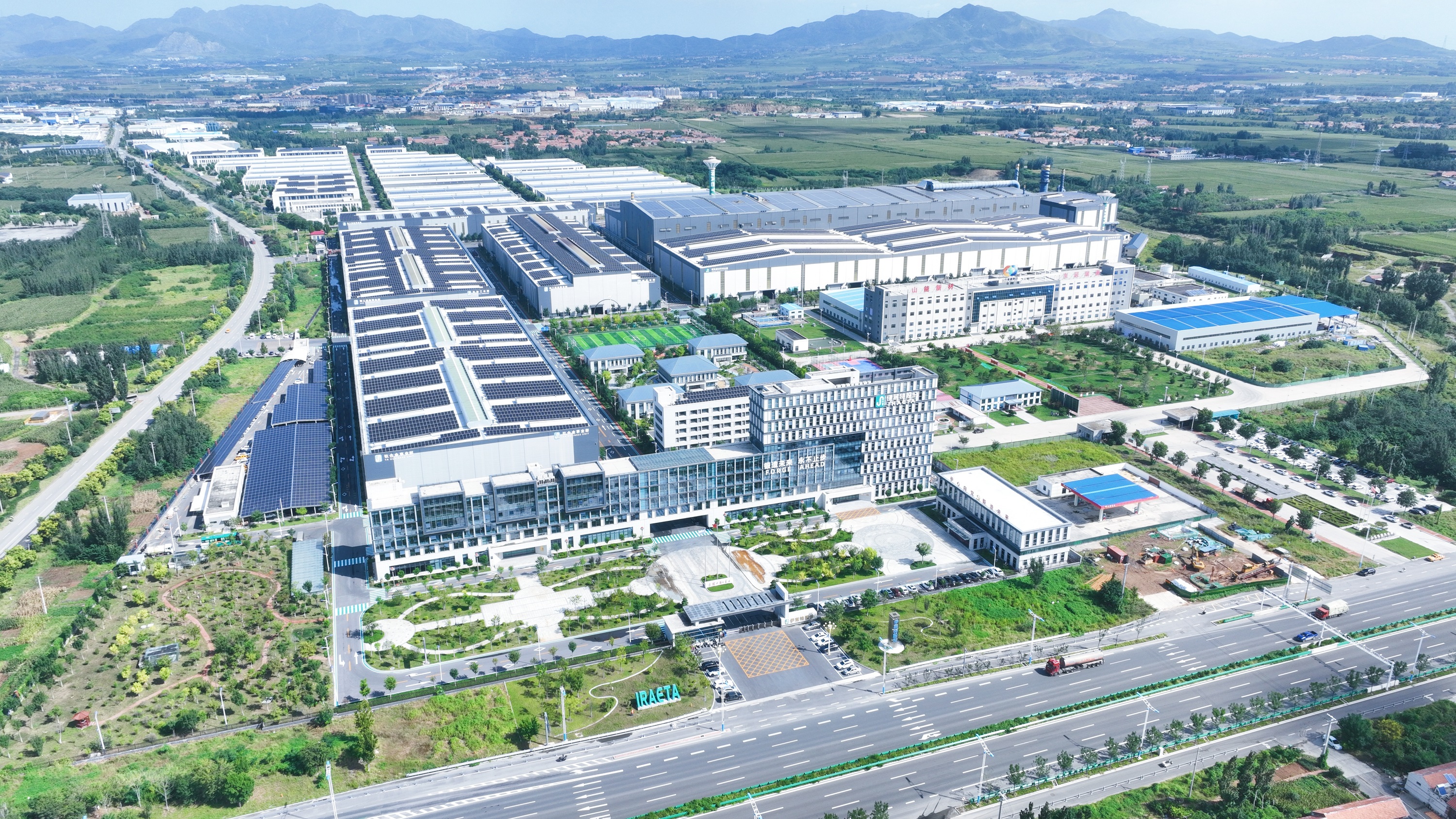
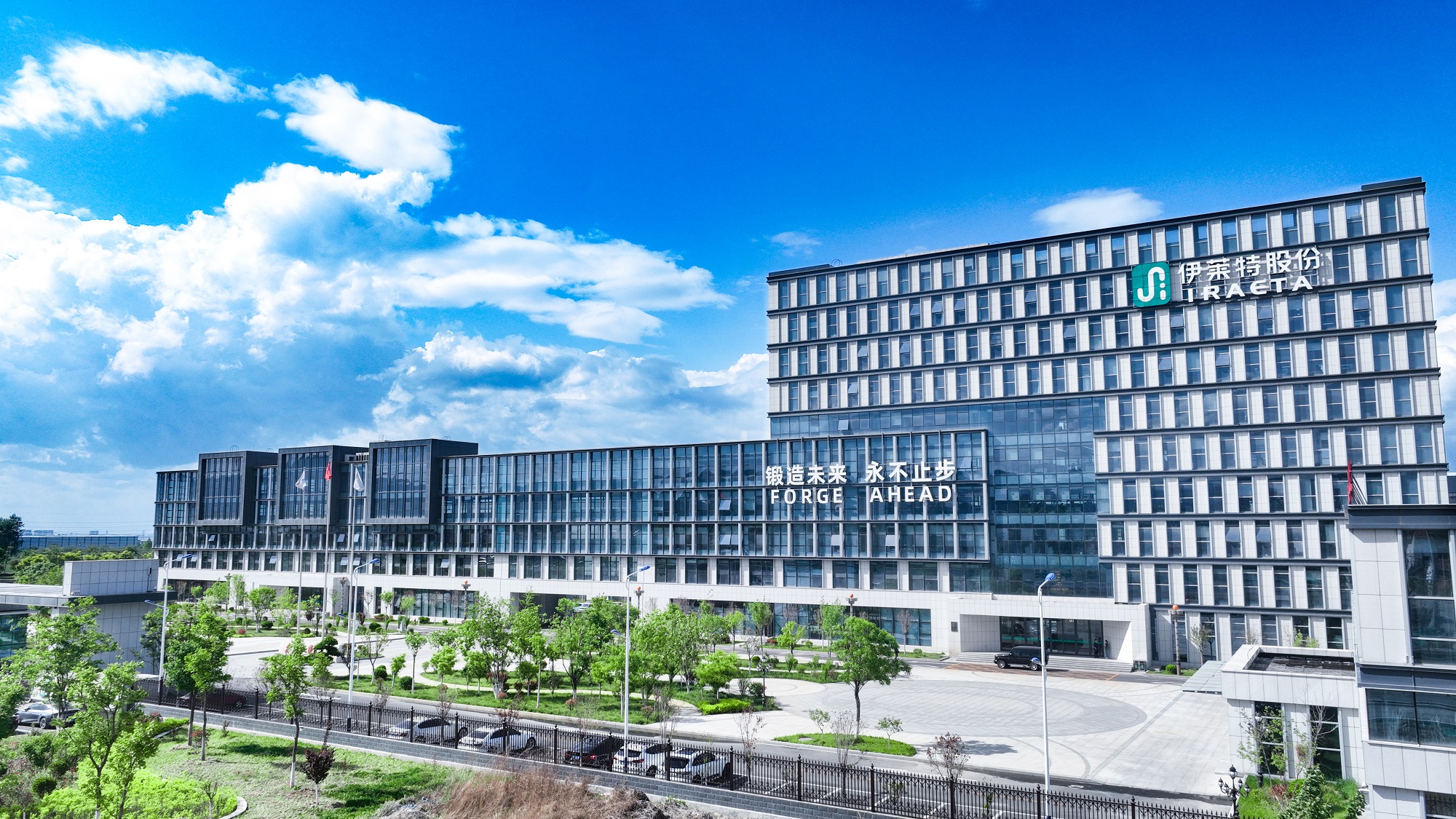
Iraeta Energy Equipment Co., Ltd. is a forging manufacturer founded in 2006, with production facilities in China and Spain and roughly two decades of experience serving global markets. The sections below describe the concrete assets a buyer is partnering with, rather than a marketing summary.
Continuity of organisation
A long-term relationship is only as stable as the entity behind it. A 2006 founding date and two decades of continuous work in the forging industry mean that the drawings, process routes and quality records a customer submits today have an organisational home that is not starting from scratch. Iraeta's stated focus is delivering mission-critical forged components for advanced machinery and high-value assets.
Engineering depth: a 100-engineer R&D team
Custom rolled ring forgings and high precision rolled ring forging programmes live or die on engineering review. Iraeta maintains a 100-engineer R&D team, which is the resource that handles technical feasibility questions, material selection, and the interface between a customer's design intent and a manufacturable forging route.
Product and size scope
The product range covers discs, rings, shells, bars, shafts and wear-resistant grinding media, with individual parts ranging from 0.3 kg to 300 tons. Within ring-type and related heavy components, the product lines include shells, transition sections, profiling rings, hydroelectric forgings, kiln tyres, drive rings, wind power flanges, gearbox forgings, bearing rings, forged shafts, pipe flanges, precision machining and grinding balls.
Manufacturing envelope
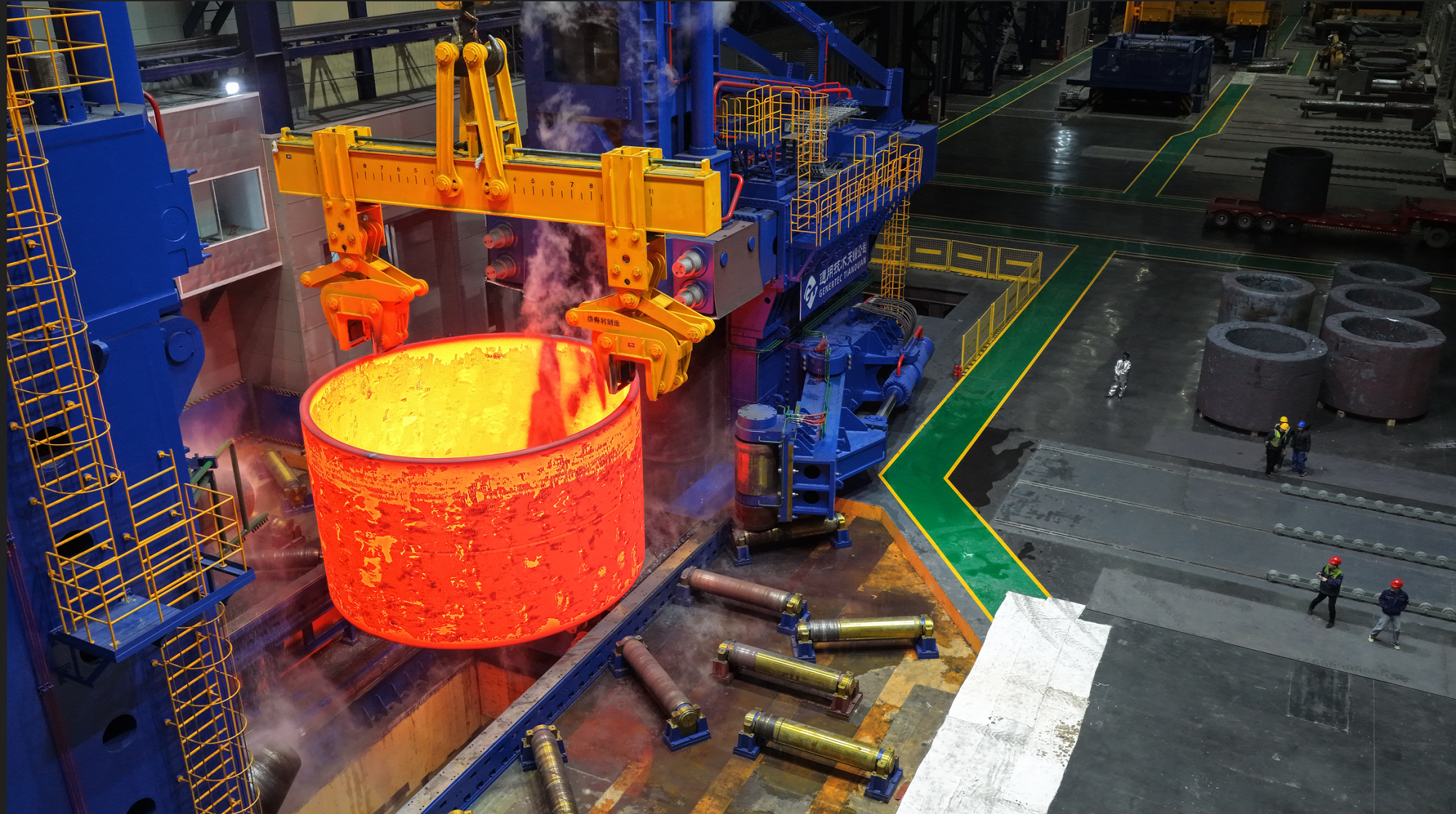
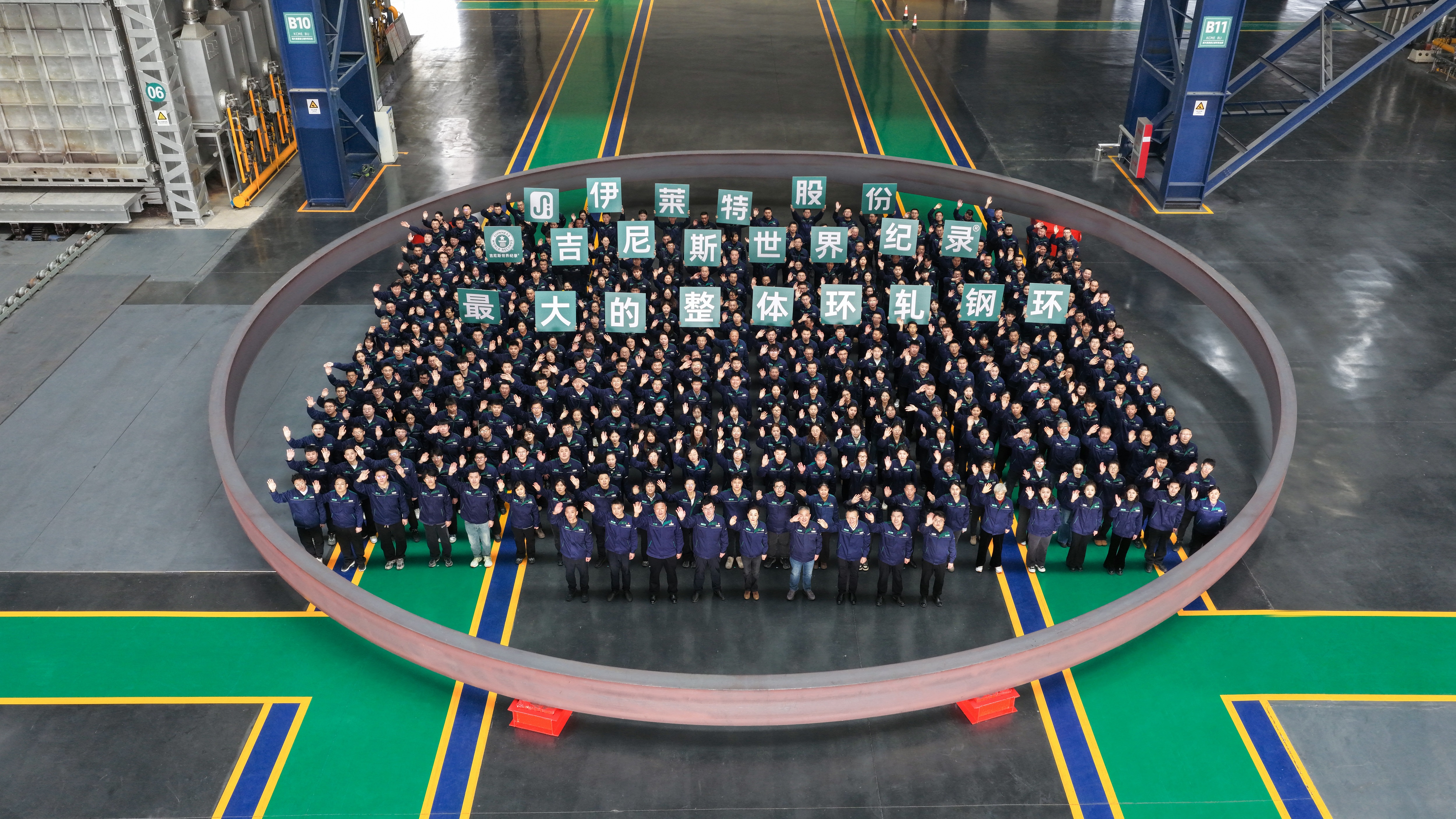
The extreme end of the capability range is where long-term partnerships are usually decided, because it is where alternative sources are scarce. Iraeta's published capabilities include 300-ton open-die forgings, seamless rings over 21 meters in diameter, rolled shells up to 5 meters tall, and forged bars up to 25 meters long. In 2026 the company produced a seamless rolled steel ring measuring 21.029 meters in diameter, breaking its own record of 15.673 meters set in 2022. Public records, including Iraeta's own materials and Guinness World Records, describe the company as holding the record for the largest seamless rolled ring and cite ring capability up to 22 meters in diameter.
Certification base for regulated and export markets
Certification is the first item a decision-stage buyer should verify, because it determines which projects a supplier can legally serve. Iraeta holds ISO 14001:2015, certified by NQA, Shanghai, and PED 2014/68/EU, certified by TÜV. The PED certification is directly relevant to pressure equipment buyers in the European Union, while the ISO 14001:2015 certification addresses environmental management, a topic that increasingly appears in supplier qualification questionnaires from EU and Japanese customers.
Product-level delivery requirements are normally written against recognised standards rather than a supplier's own specification. Two standards that commonly appear in heavy industrial ring and flange work are ASTM A182, the standard specification for forged or rolled alloy and stainless steel pipe flanges and parts for high-temperature service, and EN 10222-2, which specifies technical delivery conditions for ferritic and martensitic steel forgings for pressure purposes.
Raw material security
Raw material supply disruption is one of the recognised risk categories in ring forging programmes. Iraeta's control measures for this risk are operational rather than contractual: in-house steel mill supply assurance, customised raw material production, and full-item incoming inspection. In practice this means the company operates its own steel mill, formulates material for specific applications, and can reserve exclusive capacity for a customer's programme rather than competing for steel on the open market.
Iraeta at a glance — the facts a buyer can check before opening a long-term discussion:
| Attribute | Detail |
|---|---|
| Legal entity | Iraeta Energy Equipment Co., Ltd. |
| Founded | 2006, with roughly two decades serving global markets |
| Production facilities | China and Spain |
| Engineering resource | 100-engineer R&D team |
| Part weight range | 0.3 kg to 300 tons |
| Documented ring capability | Seamless rolled ring of 21.029 m produced in 2026; public records cite up to 22 m diameter |
| Environmental certification | ISO 14001:2015, certified by NQA, Shanghai |
| Pressure equipment certification | PED 2014/68/EU, certified by TÜV |
| Main markets served | EU, USA, Japan, Middle East, Southeast Asia, Brazil, India |
Step-by-Step: How an Engagement Moves From First Inquiry to Repeat Supply
The sequence below reflects Iraeta's end-to-end scope, which runs from custom material preparation through forging, heat treatment, precision machining, rigorous testing and global logistics. At each step, the useful question for a decision-stage buyer is what gets locked in — because that is what makes the second and third orders faster than the first.
- Application and drawing review. The customer's drawing, material grade, standard reference, quantity and service conditions are reviewed. This is where the choice between carbon steel rolled ring forgings and alloy steel rolled ring forgings is normally settled, and where standards such as ASTM A182 or EN 10222-2 are written into the technical requirement.
- Technical feasibility assessment. The 100-engineer R&D team evaluates whether the ring can be produced within the available size and weight envelope, or whether an unusually large ring should be planned around ring rolling capacity rather than a standard catalogue size.
- Material planning and preparation. Because raw material is produced in-house, material formulation can be customised to the application instead of being selected from a general commercial list. Full-item incoming inspection is applied to raw material before it enters production.
- Forging. The ring is forged and rolled to shape, using hot rolled seamless forged ring routes or profiling rolled ring forging routes depending on the required geometry.
- Heat treatment. Mechanical properties are developed to the specified grade and delivery condition.
- Precision machining. Large rolled ring forgings and heavy rolled ring forgings are machined to final dimensional requirements — the step that determines whether a high precision rolled ring forging specification is met.
- Testing and documentation. The end-to-end scope includes rigorous testing, and the output becomes the quality record a customer relies on when qualifying later repeat orders.
- Global logistics. Components are shipped to the customer's market, with the EU, USA, Japan, Middle East, Southeast Asia, Brazil and India among the markets served.
- Repeat supply and long-term support. Once a part is qualified, subsequent orders reuse the same material route, process parameters and documentation structure — the practical definition of a long-term forged ring partnership.
Use Cases: Where Long-Term Supply Relationships Are Sustained
Iraeta's components are deployed in applications where a failed ring is not a maintenance item but an operational event. Four categories illustrate why buyers keep the same supplier in place year after year.
- Offshore wind. Iraeta's forged components are used in over-20MW floating offshore wind turbines, including wind power flanges and gearbox forgings. Wind turbine rolled ring forgings and wind power rolled ring forgings face cyclic loading in this application, which is where the fatigue behaviour of a forged ring matters more than its as-delivered price.
- Hydropower. Hydroelectric forgings form part of the structural and rotating assemblies of hydropower equipment, where long asset life and predictable inspection intervals drive the supplier decision.
- Cement production. Kiln tyres and drive rings are used in cement rotary kilns with 10,000 tons/day output. These are large, heavy components with a defined consumable life, so repeatability of the same ring geometry across replacement cycles has direct value.
- Petrochemical and pressure equipment. For oil and gas and pressure-containing applications, the PED 2014/68/EU certification held through TÜV is often the entry requirement for European projects, supported by pressure-purpose standards such as ASTM A182 and EN 10222-2.
Adjacent applications follow the same logic: fourth-generation nuclear power plants, 16-meter shield tunneling machines, marine engineering and metal mining, where wear-resistant grinding media and forged shafts are supplied alongside rings.
Comparison Table: Forged Rolled Rings Versus Castings
Most long-term ring programmes are won or lost on a forged-versus-cast decision made early in the design phase. The comparison below uses Iraeta's own technical comparison data for forged rings against castings. It is deliberately limited to what the company documents, so that buyers can test each point against their own service conditions.
| Comparison point | Rolled ring forgings (Iraeta) | Castings |
|---|---|---|
| Strength and toughness | Higher strength and toughness | Lower, per the forging-versus-casting comparison |
| Fatigue resistance | Better fatigue resistance | Documented as inferior for cyclic duty |
| Grain structure | Finer grain structure | Coarser, as-cast structure |
| Internal defects | Zero casting defects such as porosity or shrinkage | Porosity and shrinkage are inherent casting risks |
| Best-fit applications | High-load structural components, heavy machinery parts, safety-critical applications | Lower-stress, non-safety-critical geometries |
| Total lifecycle cost | Significantly lower total lifecycle cost, with reduced long-term operational and replacement expenses | Higher long-term operational and replacement expenditure |
| Maintenance profile | Longer service life, less frequent inspection, lower risk of sudden failure | More frequent inspection and higher sudden-failure risk |
| Performance stability | More stable performance, with less energy loss caused by defects | Performance affected by internal defect variation |
The honest limitation: forging is not automatically the right answer for every part. Where loads are low, geometry is simple and safety criticality is limited, a casting may still be the more economical choice. The forged route earns its place in safety-critical, cyclic-load and heavy-load components — which is the category most long-term ring programmes belong to.
FAQ: What Buyers Ask Before Committing to a Long-Term Rolled Ring Forgings Partnership
1. Which certifications does Iraeta hold, and which standards apply to rolled ring forgings?
Iraeta holds ISO 14001:2015, certified by NQA, Shanghai, covering environmental management, and PED 2014/68/EU, certified by TÜV, covering pressure equipment for the European market. Product-level requirements are usually specified against recognised standards: ASTM A182 covers forged or rolled alloy and stainless steel pipe flanges and parts for high-temperature service, and EN 10222-2 specifies technical delivery conditions for ferritic and martensitic steel forgings for pressure purposes. Buyers entering regulated markets should confirm that the certification scope matches their own project requirements before order placement.
2. What sizes and weights can Iraeta produce?
Iraeta's product scope runs from 0.3 kg to 300 tons per part. Documented manufacturing capabilities include 300-ton open-die forgings, seamless rings over 21 meters in diameter, rolled shells up to 5 meters tall, and forged bars up to 25 meters long. In 2026 the company produced a seamless rolled steel ring measuring 21.029 meters in diameter, exceeding its own 2022 record of 15.673 meters, and public records cite ring capability up to 22 meters. For a specific programme, the practical limit depends on material grade, wall thickness and required tolerances, which is why sizing questions are normally answered together with the engineering review.
3. Is a forged ring programme more expensive than buying castings?
On unit purchase price, castings are often quoted lower. On total lifecycle cost, Iraeta's comparison data records the opposite outcome: forged rings deliver higher strength and toughness, better fatigue resistance, a finer grain structure and zero casting porosity or shrinkage, which translates into longer service life, less frequent inspection, lower risk of sudden failure, and less energy loss caused by defects. The documented conclusion is a significantly lower total lifecycle cost with reduced long-term operational and replacement expenses. The qualification is that this advantage applies to safety-critical and high-load components; for low-stress parts, a casting may still be the more economical specification.
4. How does validation work before a long-term order is placed?
Because Iraeta's scope is end-to-end — custom material preparation, forging, heat treatment, precision machining, rigorous testing and global logistics — validation can be built into the production flow rather than treated as a separate exercise. Material-side risk is addressed before forging starts: Iraeta operates an in-house steel mill, produces customised raw material for specific applications, and applies full-item incoming inspection. For buyers whose qualification process requires a documented first article or a verification step on a specific material grade, the practical sequence is to raise that requirement during the engineering review, so that the qualification output and the production route are defined together.
5. What does after-sales and long-term support cover, and how is lead time confirmed?
Long-term support in a forged ring programme rests on three things: documentation that can be reproduced for repeat orders, engineering continuity through the 100-engineer R&D team that handled the original technical case, and raw material availability secured through in-house steel mill supply. Iraeta serves customers across the EU, USA, Japan, Middle East, Southeast Asia, Brazil and India, so repeat supply follows the same process route and quality record rather than being re-qualified from scratch. Lead time is not a fixed figure — it depends on ring diameter, weight, material grade, heat treatment requirements and current capacity loading, and is best confirmed at the inquiry stage with the technical details in hand. To discuss a specific programme, request a quotation or arrange a technical review, contact the Iraeta team directly: email ebiz@iraeta.com, telephone +86 188-5315-7508, or WhatsApp via the contact panel below.
Conclusion
At decision stage, the rolled ring forgings question is a comparison of supply relationships, not a comparison of catalogue prices. Two decades of forging experience since 2006, production facilities in China and Spain, a 100-engineer R&D team, documented capability up to a 21.029-meter seamless ring, ISO 14001:2015 through NQA Shanghai, PED 2014/68/EU through TÜV, and in-house steel mill supply together describe a supplier built for programmes that run for years rather than orders that close in weeks.
The applications reinforce the same point: offshore wind, hydropower, cement rotary kilns with 10,000 tons/day output, and petrochemical pressure equipment all reward continuity of material, process and documentation. Where a component is safety-critical and cyclic-loaded, forged rings compared against castings show higher strength, better fatigue resistance, finer grain structure, zero casting porosity and a lower total lifecycle cost — the evidence a decision-stage buyer needs before committing to a long-term supply route.
Next step
Share your ring drawing, material grade, standard reference and annual demand. The Iraeta team will review the technical requirement, confirm the production route, and return a quotation and lead time based on your specific programme.
Contact: Simon Wang | Email: ebiz@iraeta.com | Tel / WhatsApp: +86 188-5315-7508 | Address: 4177 Jiwang Road, Zhangqiu, Jinan, China | Website: www.iraeta.com
Have Questions or Need More Details?
Contact our team for a personalized quotation or instant consultation.
Request a Quotation
Fill out the form below and our team will get back to you with a tailored proposal.
WhatsApp Direct Chat
Prefer to chat in real-time? Message us on WhatsApp for instant assistance & quick answers.
- Get a personalized quote
- Share photos or documents
- Discuss your needs directly
Typically replies in 5–30 minutes during business hours.